319th Field Artillery Regiment
Classification
Airborne Field Artillery
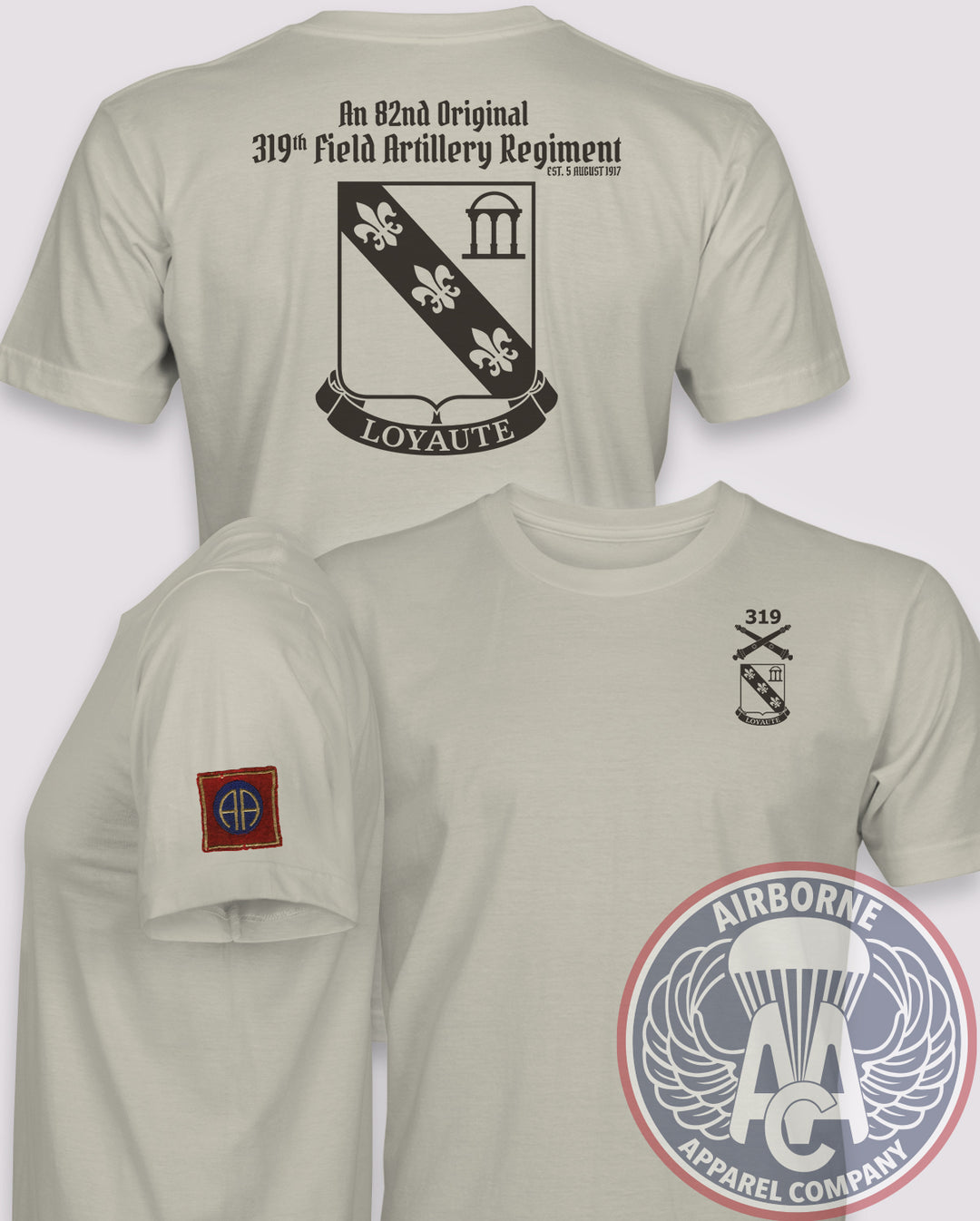
"Loyalty"Establishment
Constituted in the National Army
August 1917Primary Weaponry
Air-droppable Howitzers
M119 & M777Active Subordinate Units
82nd & 173rd Airborne
4 BattalionsHistorical Timeline
Review the key operational milestones of the 319th FAR.
Organized at Camp Gordon, GA, assigned to the 82nd Division. Saw action in the St. Mihiel and Meuse-Argonne offensives.
Reorganized as the 319th Glider Field Artillery Battalion, assigned to the newly formed 82nd Airborne Division.
Landed in France during Operation Overlord via gliders. Later dropped into Holland during Operation Market Garden.
Deployed during Operation Power Pack to provide fire support and restore order.
Elements deployed to Grenada, executing combat drops and providing immediate artillery support.
Conducted combat parachute assaults into Panama to neutralize PDF forces and protect U.S. interests.
Deployed to Saudi Arabia and participated in the rapid ground offensive to liberate Kuwait.
Extensive deployments across Operations Enduring Freedom (Afghanistan) and Iraqi Freedom.
Integration of M777 155mm howitzers into airborne operations, stationed at Fort Bragg, NC and Vicenza, Italy.
History and Development
The 319th Field Artillery Regiment traces its lineage back to the battlefields of World War I. The regiment was constituted on August 5, 1917, in the National Army as the 319th Field Artillery and assigned to the 82nd Division. It was organized shortly thereafter at Camp Gordon, Georgia. During the First World War, the regiment saw intense combat, providing essential fire support during the St. Mihiel and Meuse-Argonne offensives, utilizing French 75mm and 155mm guns. The regiment was demobilized in May 1919 following the conclusion of the war.
The dawn of World War II and the advent of vertical envelopment warfare brought a radical transformation to the 319th. In 1942, the unit was reorganized and redesignated as the 319th Glider Field Artillery Battalion, assigned to the 82nd Airborne Division. During WWII, gliders were utilized to deliver heavy equipment—including artillery pieces—behind enemy lines, a crucial capability that paratroopers alone could not replicate at the time. The 319th fought valiantly in the Mediterranean theater (Naples-Foggia), before making combat glider landings in Normandy during Operation Overlord. They subsequently participated in Operation Market Garden in Holland and played a critical defensive role providing direct fire support during the frigid Battle of the Bulge.
Structural & Organizational Changes
Post-WWII, the U.S. Army underwent significant restructuring to maintain lineage and honors while adapting to Cold War realities. In 1948, the 319th was redesignated as the 319th Airborne Field Artillery Battalion. A major shift occurred in 1957 when the unit was reorganized under the Combat Arms Regimental System (CARS) as the 319th Artillery, and subsequently in 1971 as the 319th Field Artillery.
Under the United States Army Regimental System (USARS), the regiment does not fight as a single unified brigade. Instead, its battalions are dispersed to support specific Infantry Brigade Combat Teams (IBCTs). Historically, the regiment has consisted of the 1st, 2nd, 3rd, and 4th Battalions.
Current Disposition & Subordinate Units
Today, the battalions of the 319th Airborne Field Artillery Regiment (AFAR) serve as the primary fire support elements for airborne brigade combat teams. Their current alignment is as follows:

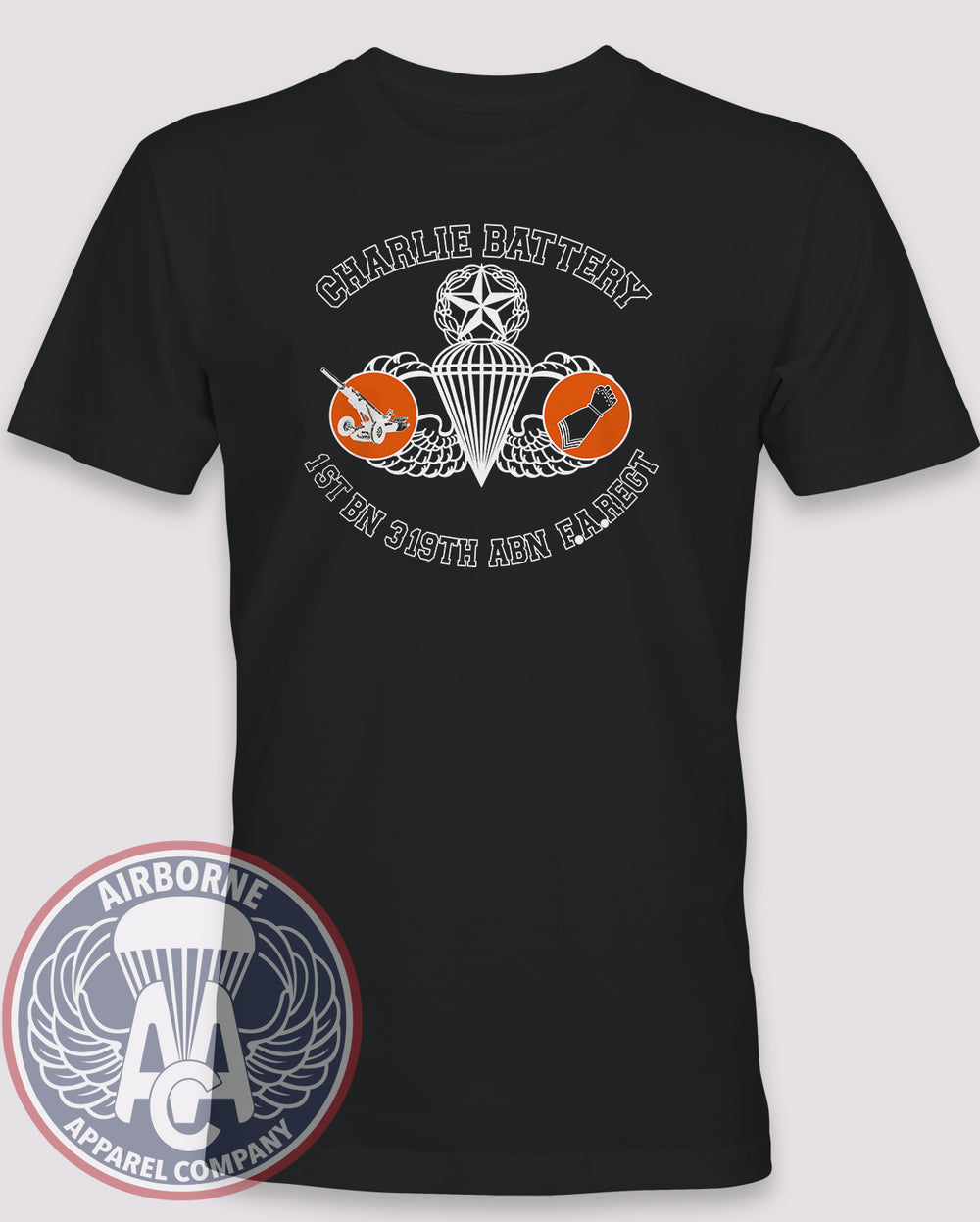
- 1st Battalion, 319th AFAR (1-319th): Assigned to the 3rd Brigade Combat Team, 82nd Airborne Division, stationed at Fort Bragg, NC.
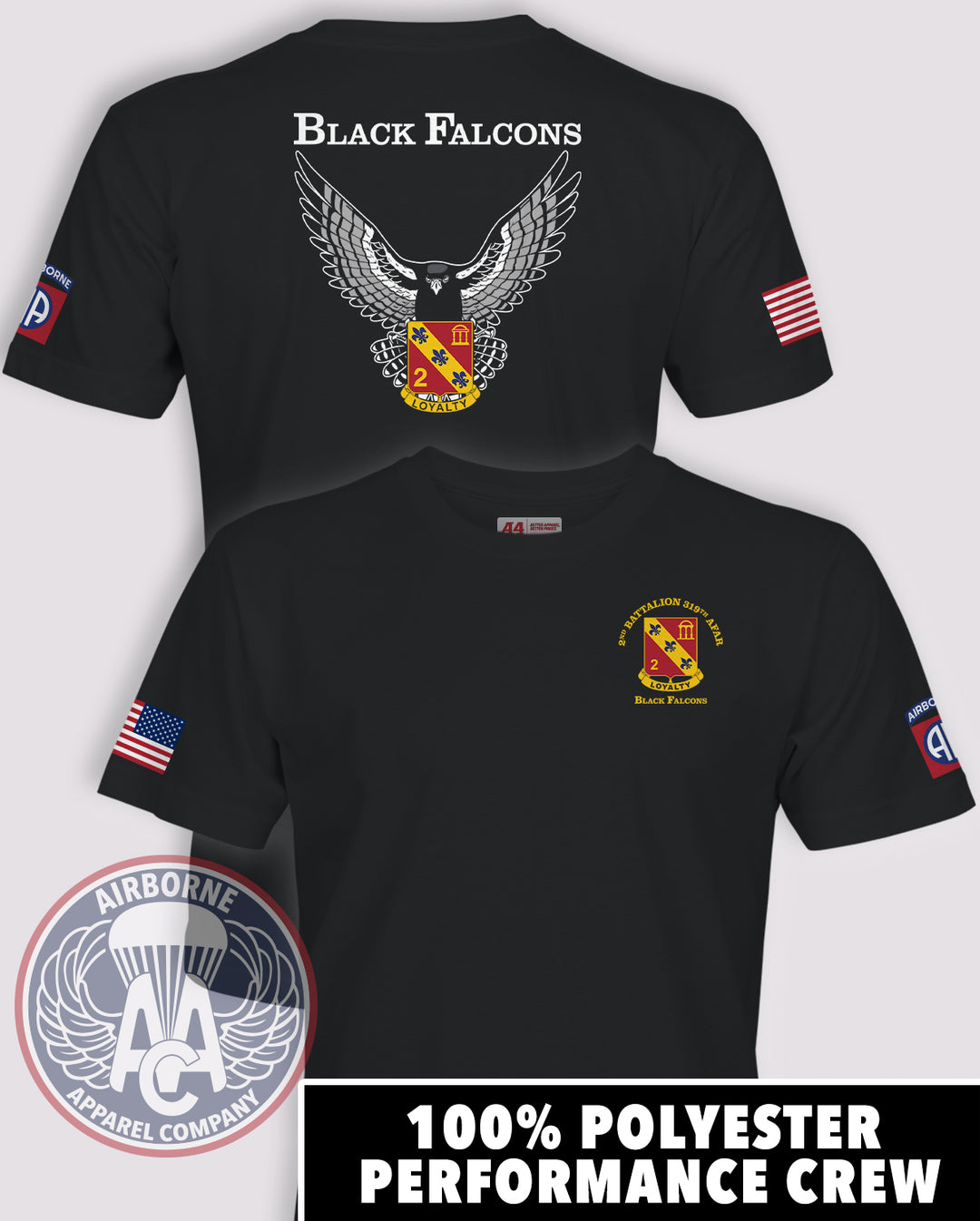
- 2nd Battalion, 319th AFAR (2-319th): Assigned to the 2nd Brigade Combat Team, 82nd Airborne Division, stationed at Fort Bragg, NC.
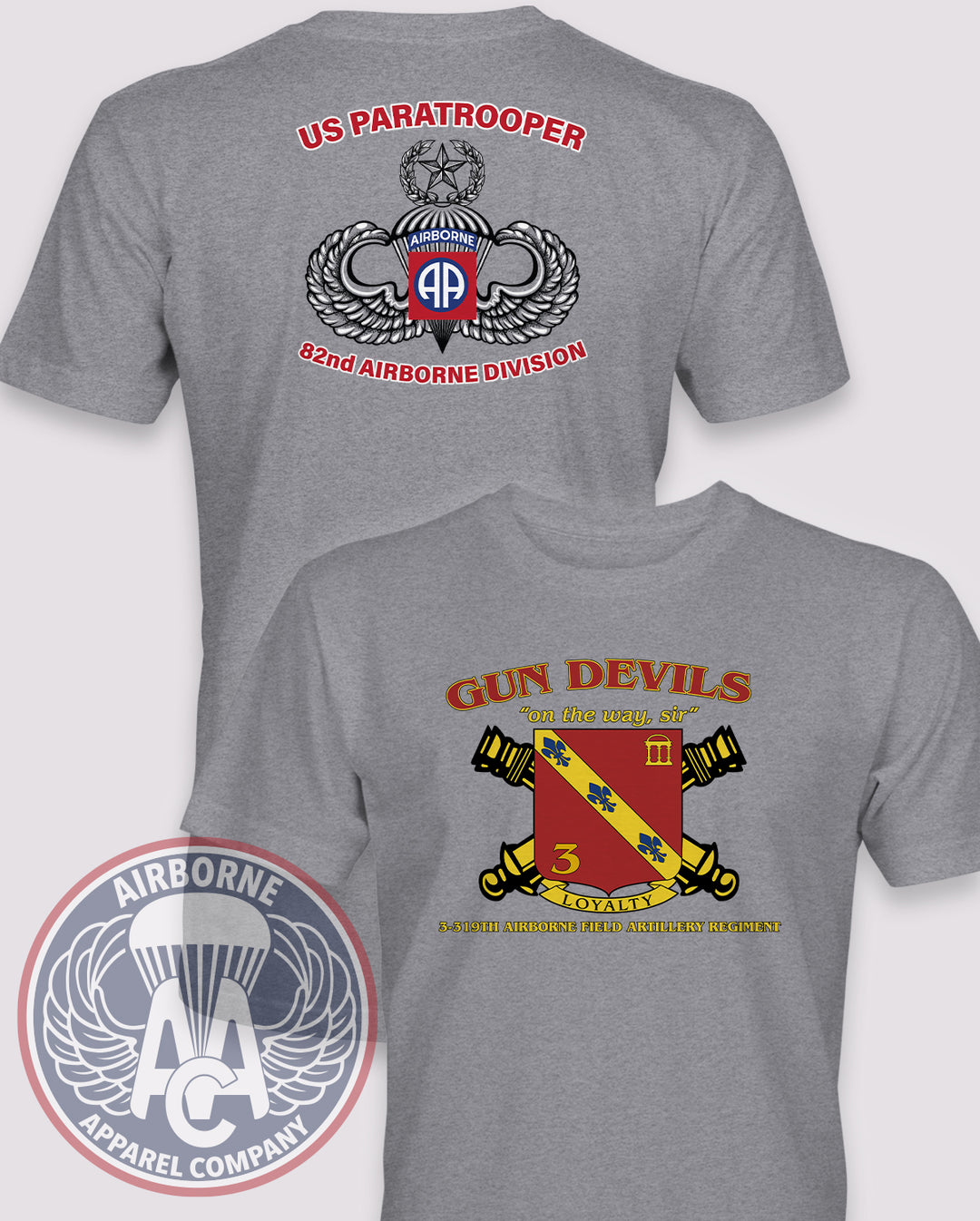
- 3rd Battalion, 319th AFAR (3-319th): Assigned to the 1st Brigade Combat Team, 82nd Airborne Division, stationed at Fort Bragg, NC.
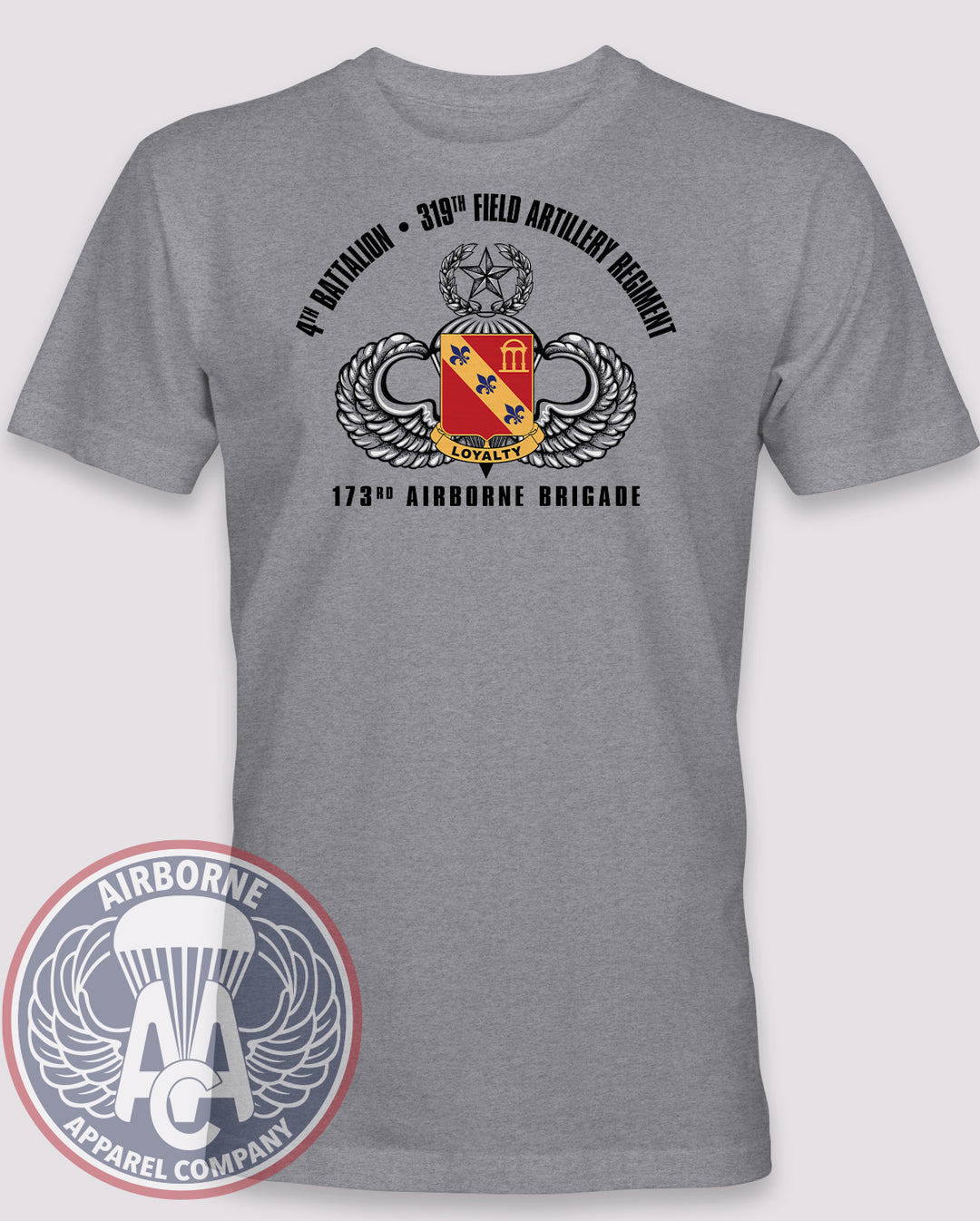
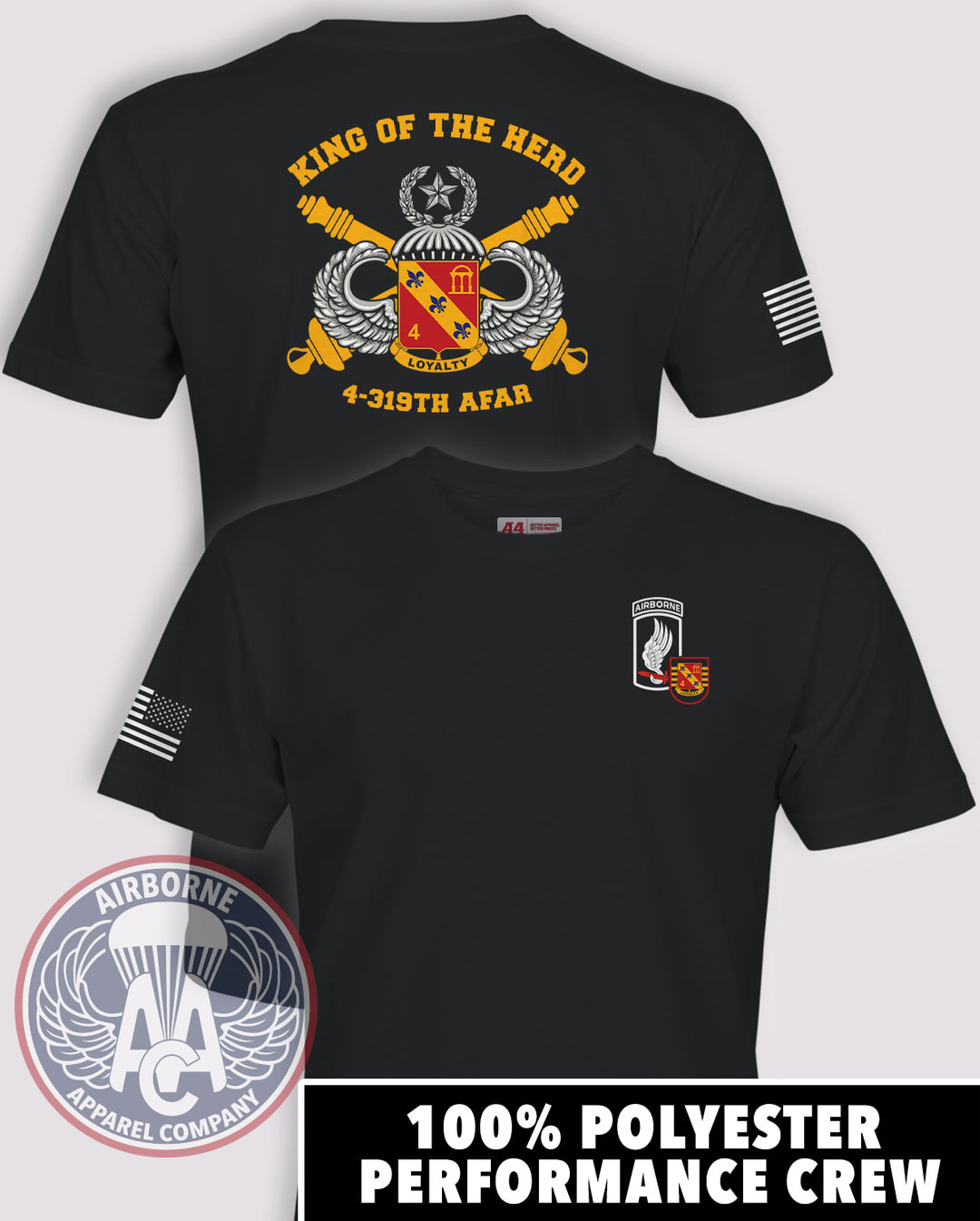
- 4th Battalion, 319th AFAR (4-319th): Operates outside the 82nd Airborne, serving as the organic artillery battalion for the 173rd Airborne Brigade, stationed in Vicenza, Italy.
Weapons Systems Implementation & Tactics
World War II (The Glider Era): During WWII, the 319th primarily employed the M116 75mm pack howitzer. Because early parachutes could not handle the weight of artillery, these guns were broken down or loaded whole into Waco CG-4A gliders. The transition to the Parachute Field Artillery Battalion concept post-WWII meant weapons had to be dropped via heavy-drop rigging systems.
Cold War to Present (M102 to M119): Through the Vietnam era and late Cold War, the regiment utilized the M102 105mm howitzer. This was eventually replaced by the modern M119 105mm Howitzer (currently the M119A3 variant). The implementation of the M119 is a core aspect of the 319th's identity. During an airborne assault, the howitzers, prime movers (Humvees), and ammunition are rigged on Type V heavy drop platforms. As paratroopers exit the aircraft, the platforms are deployed. Paratroopers—many of whom received their initial airborne training at Fort Benning, GA—must quickly locate their equipment on the drop zone, de-rig the howitzers, and establish a firing capability, often achieving "ready to fire" status in under 20 minutes.
The Heavy Punch (M777 155mm Integration): Recognizing the need for extended range and greater destructive capability in forced-entry operations, the Army integrated the M777A2 155mm Howitzer into the 319th FAR. While traditionally considered a medium/heavy artillery piece, the ultra-lightweight titanium construction of the M777 allows it to be air-dropped or sling-loaded beneath CH-47 Chinook helicopters. Today, a composite battery structure often sees Airborne FA battalions fielding both 105mm and 155mm systems, giving brigade commanders a scalable fire support matrix immediately upon securing an airfield or drop zone.
Current Mission
The enduring mission of the 319th Airborne Field Artillery Regiment is to deploy globally within 18 hours to conduct airborne assault operations. Upon arrival, the regiment provides accurate, timely, and devastating direct and indirect fires in support of the Infantry Brigade Combat Teams of the 82nd Airborne Division and the 173rd Airborne Brigade. Whether destroying enemy armor, neutralizing fortified positions, or providing illumination and obscuration, the gunners of the 319th live by their regimental motto: "Loyalty."