

75th Ranger Regiment


The 75th Ranger Regiment is the U.S. Army’s premier special operations raid force, built to conduct high-risk direct-action missions and large-scale joint forcible-entry operations anywhere in the world. The modern regiment traces its heritage through generations of American Rangers, from World War II Ranger units and Merrill’s Marauders to the Ranger companies of Korea and Vietnam and the battalions created in the 1970s. Today, the Regiment is part of U.S. Army Special Operations Command and maintains a continuous worldwide operational mission.
Ranger Heritage
American Ranger history predates the United States itself, with Ranger formations serving during the colonial period and Revolutionary War. The lineage and heritage of the modern 75th Ranger Regiment, however, draw particularly from the Rangers of World War II and the long-range penetration forces that fought in the China-Burma-India Theater.
Among the Regiment’s most important historical connections is Merrill’s Marauders, the 5307th Composite Unit (Provisional). The Marauders fought a grueling campaign through Burma in 1944 and helped seize the strategically important Myitkyina airfield. After the provisional unit ceased to exist, surviving personnel helped form the 475th Infantry, whose lineage ultimately became part of the 75th Infantry and modern Ranger Regiment. The Army formerly recognized “Merrill’s Marauders” as a special designation of the 75th Ranger Regiment; that official designation was discontinued in 1989, although the Marauder heritage remains central to the Regiment’s history.
Korea and Vietnam
During the Korean War, the Army organized Ranger Infantry Companies (Airborne) to provide commanders with specially trained light infantry capable of raids, reconnaissance, and operations behind enemy lines.
In 1969, the 75th Infantry was reorganized as a parent regiment for separate Ranger companies serving in Vietnam. Fifteen Ranger companies were formed under this system, with thirteen serving in Vietnam. These units carried out long-range reconnaissance, raids, ambushes, and other demanding missions before the final companies were inactivated in 1972.
Birth of the Modern Ranger Battalions
In January 1974, Army Chief of Staff GEN Creighton Abrams directed the formation of a modern Ranger battalion. The Army's Lineage and Honors record dates the activation of 1st Battalion, 75th Infantry at Fort Stewart, Georgia, to 31 January 1974. 2nd Battalion (Ranger), 75th Infantry followed on 1 October 1974.
In 1984, the Army established the regimental headquarters and 3rd Battalion at Fort Benning, Georgia. The formal regimental lineage records a headquarters reorganization on 1 July 1984 and redesignation as the 75th Ranger Regiment on 3 February 1986. Organizational effective dates are distinct from later formation ceremonies.
Operation Urgent Fury — Grenada, 1983
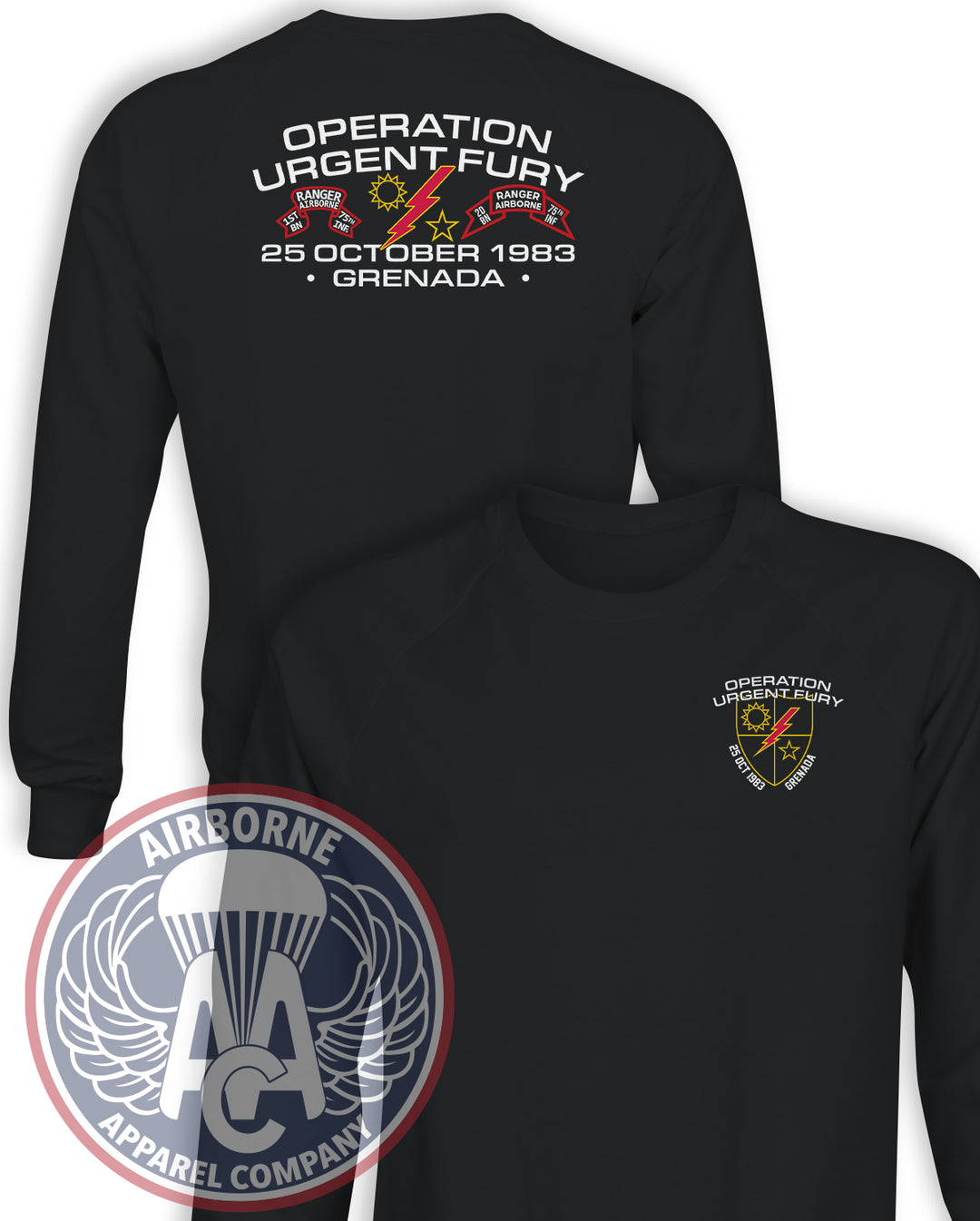
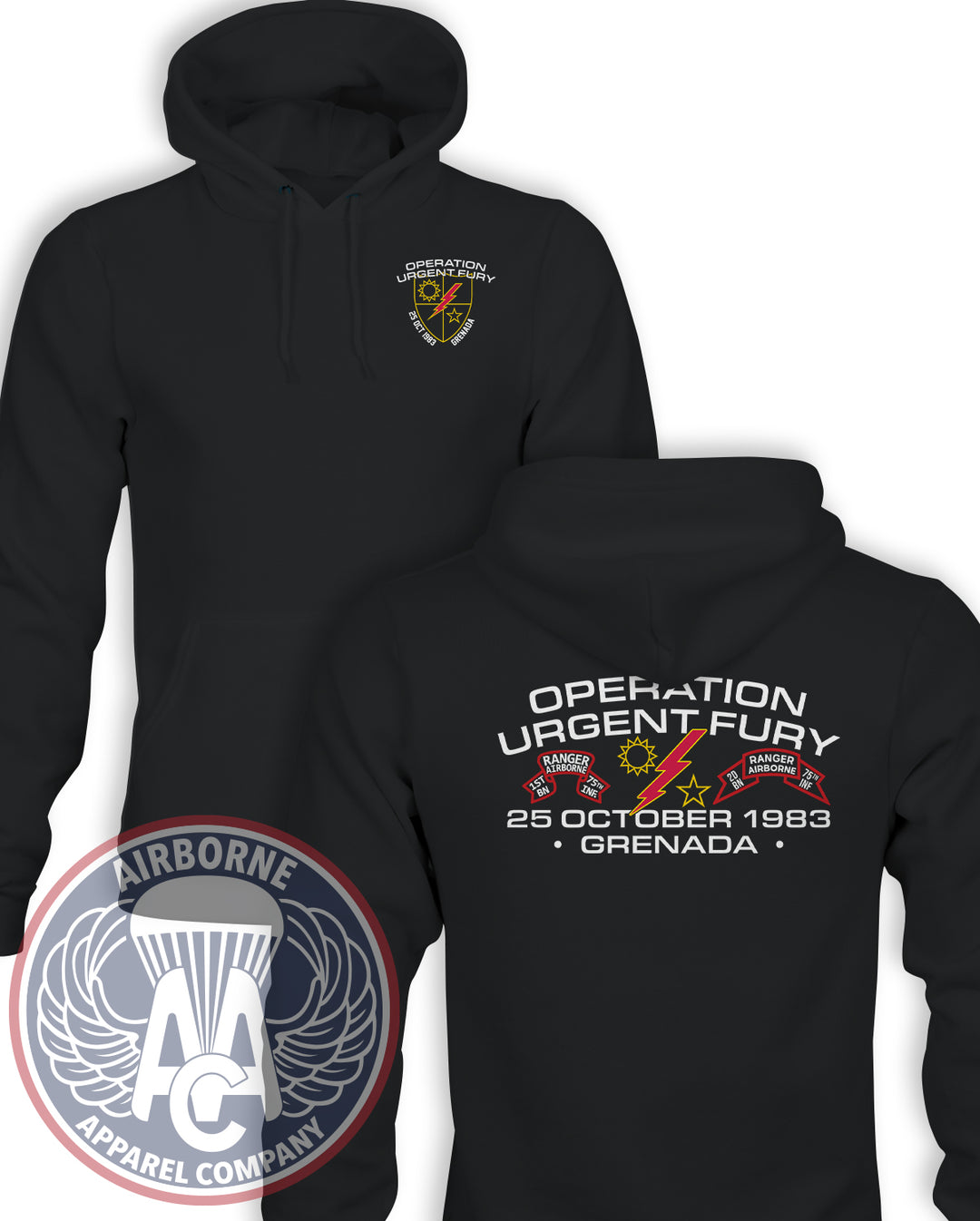
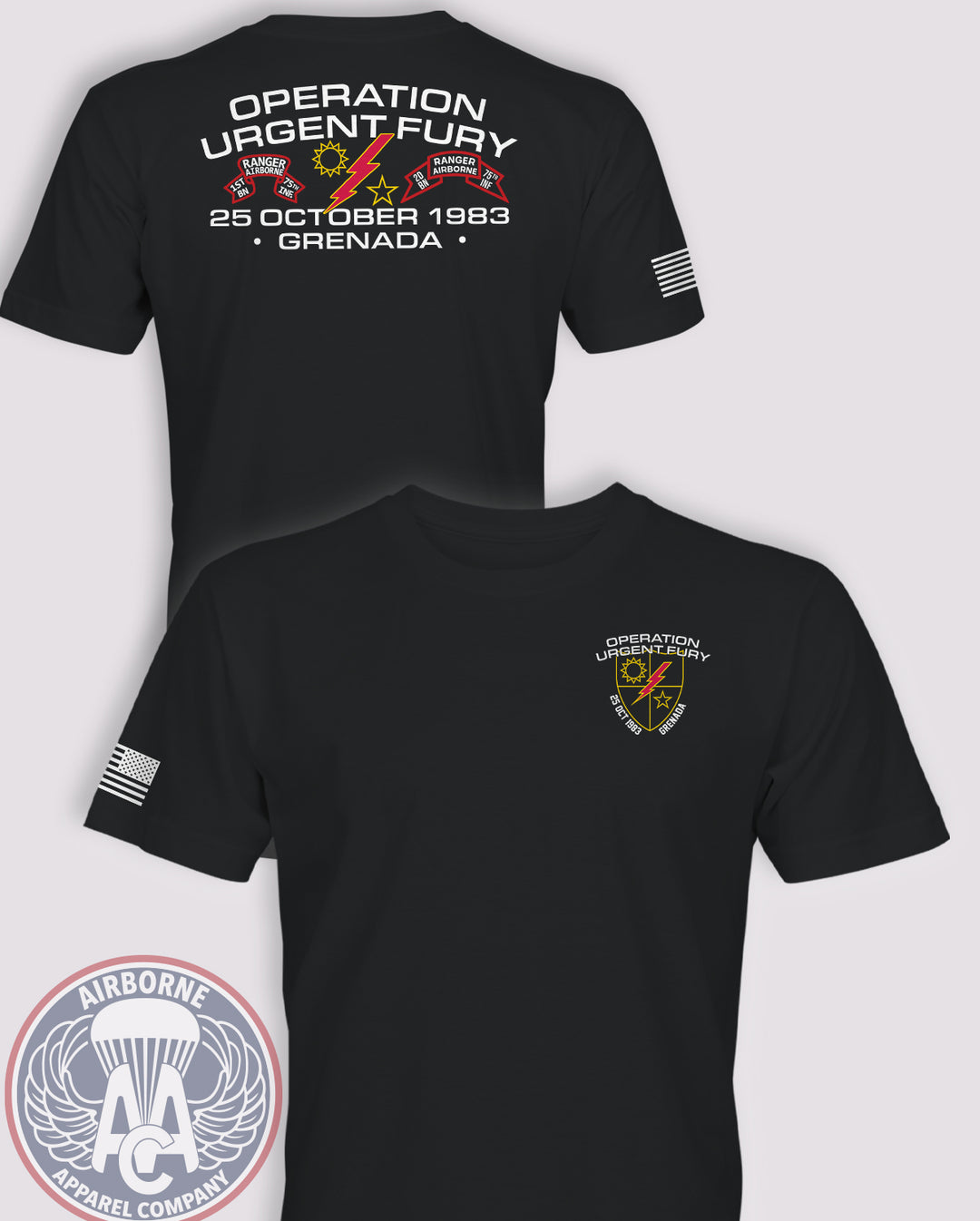
The modern Ranger battalions’ first major combat operation came during Operation Urgent Fury. On 25 October 1983, Rangers from 1st and 2nd Battalions conducted a low-altitude combat parachute assault to seize Point Salines Airfield in Grenada. The Rangers secured the airfield, rescued American citizens, and conducted follow-on combat operations across the island.
The seizure of Point Salines demonstrated the combination of airborne assault, speed, and direct-action capability that became a defining characteristic of the modern Ranger Regiment.
Operation Just Cause — Panama, 1989
During Operation Just Cause, the entire 75th Ranger Regiment participated in the invasion of Panama. On 20 December 1989, Rangers conducted simultaneous parachute assaults against objectives including Torrijos-Tocumen International Airport and Rio Hato Airfield, followed by additional combat missions against Panamanian Defense Force positions.
The operation remains one of the largest combat employments of the modern Regiment and a landmark in U.S. joint special operations.
Somalia and the 1990s
In 1993, elements of 3rd Battalion, 75th Ranger Regiment deployed to Somalia as part of Task Force Ranger during Operation Gothic Serpent. Rangers fought alongside other U.S. special operations forces during the October 3–4 Battle of Mogadishu.
Ranger elements also supported other contingency and special operations missions throughout the 1990s, including deployments connected to the Persian Gulf, Haiti, and the Balkans.
Global War on Terror
After the attacks of September 11, 2001, the 75th Ranger Regiment became one of the most continuously deployed formations in the U.S. military.
- Afghanistan, October 2001: Rangers from 3rd Battalion conducted a combat parachute assault on Objective Rhino near Kandahar, helping open the ground phase of Operation Enduring Freedom.
- Iraq, March 2003: 3rd Battalion conducted an airborne assault to seize Objective Serpent during the opening phase of Operation Iraqi Freedom.
- Post-9/11 operations: Ranger units conducted repeated raids, airfield seizures, reconnaissance, and joint special operations missions in Afghanistan, Iraq, and other theaters.
The prolonged operational tempo drove continued expansion of the Regiment. The Regimental Special Troops Battalion was activated in 2006 to provide specialized reconnaissance, communications, intelligence, sustainment, and other capabilities. The Regiment later added the Regimental Military Intelligence Battalion to expand its organic intelligence capacity.
Current Organization
Today, the 75th Ranger Regiment consists of several specialized battalions and the regimental headquarters:
- 1st Ranger Battalion — Hunter Army Airfield, Georgia
- 2nd Ranger Battalion — Joint Base Lewis-McChord, Washington
- 3rd Ranger Battalion — Fort Benning, Georgia
- Regimental Special Troops Battalion — Fort Benning, Georgia
- Regimental Military Intelligence Battalion — Fort Benning, Georgia
The Regiment describes itself as the Army’s premier raid force, capable of conducting both large-scale joint forcible-entry operations and precision special operations raids.
Ranger Regiment vs. Ranger School
The 75th Ranger Regiment and U.S. Army Ranger School are related to the broader Ranger tradition but are not the same organization. The 75th Ranger Regiment is an operational special operations unit whose members are selected through the Ranger Assessment and Selection Program (RASP). Ranger School, operated by the Airborne and Ranger Training Brigade, is a demanding Army leadership course that awards the Ranger Tab to graduates from across the Army and other services.
A Soldier can be Ranger-qualified by graduating Ranger School without ever serving in the 75th Ranger Regiment, while assignment to the Regiment requires separate selection and service within the Ranger organization.
Identity and Legacy
- Motto: “Rangers Lead the Way!”
- Role: U.S. Army special operations raid force
- Core Capabilities: Direct action, raids, airborne assault, airfield seizure, reconnaissance, and joint forcible entry
- Historic Heritage: World War II Rangers, Merrill’s Marauders, Korean War Ranger companies, Vietnam Ranger companies, and the modern Ranger battalions
Enduring Significance
The 75th Ranger Regiment represents the operational Ranger tradition of the modern U.S. Army: specially selected Soldiers organized to deploy quickly, seize critical objectives, and conduct the most demanding direct-action missions. From Point Salines and Rio Hato to Mogadishu, Afghanistan, Iraq, and decades of continuous special operations, the Regiment has carried the Ranger legacy into the modern era.
Historical Sources
- 75th Ranger Regiment — Lineage and Honors. USASOC History Office, reproducing Army Center of Military History information current to April 27, 2017. Documents the regimental lineage, 1984 reorganization, 1986 redesignation, and honors.
- 1st Battalion, 75th Ranger Regiment — Lineage and Honors. USASOC History Office / Army Center of Military History. The formal record dates the modern battalion's activation to January 31, 1974.
- 75th Ranger Regiment — history. U.S. Army, Fort Benning. Narrative history of Ranger development and operations; commemorative milestones should be distinguished from formal organizational dates.
- Special Designations. U.S. Army Center of Military History. Records “Merrill's Marauders” as a discontinued special designation of the regiment, without erasing its heritage connection.
- Regimental Military Intelligence Battalion — enlisted recruiting. U.S. Army, Fort Benning. Illustrates separate requirements for RASP selection and Ranger Course attendance.
Formal lineage records, operational histories, and recruiting requirements support different parts of the narrative. AAC historical sources and editorial standards.
Airborne Apparel Company is proud to offer reproductions and unique designs that celebrate the legacy of the 75th Ranger Regiment.


