

WWII 1941 - 1945


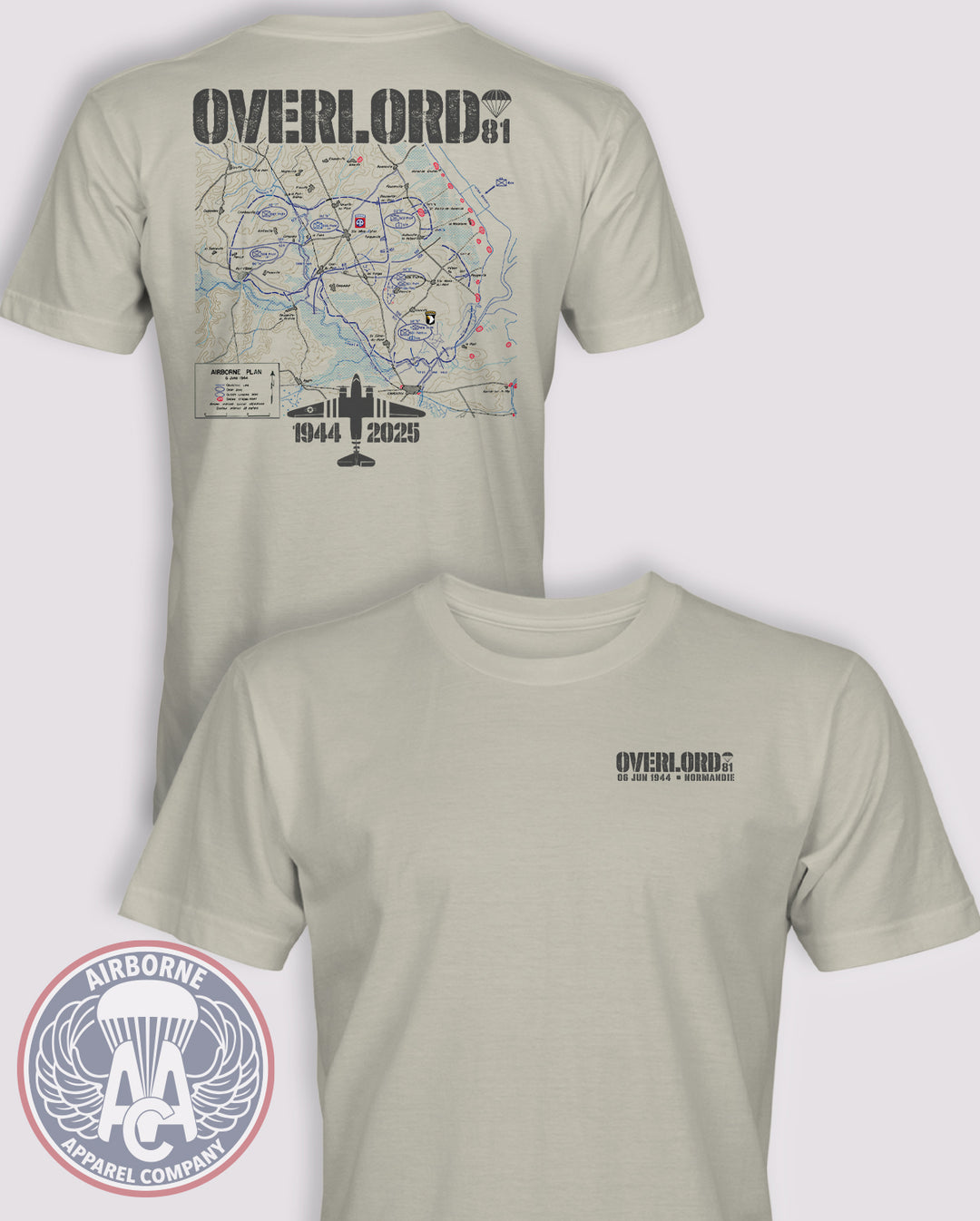
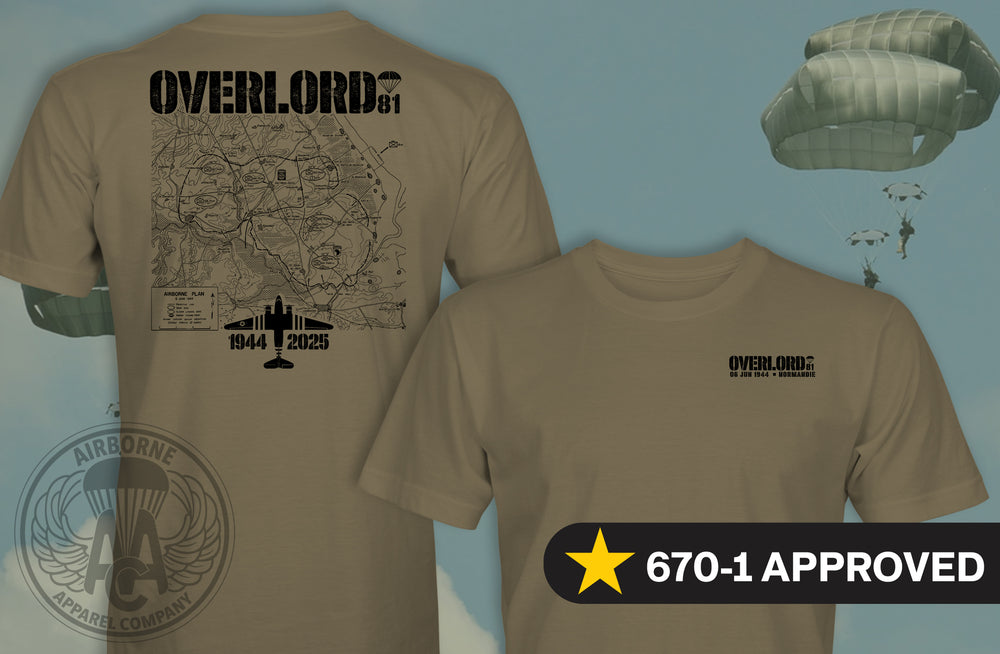





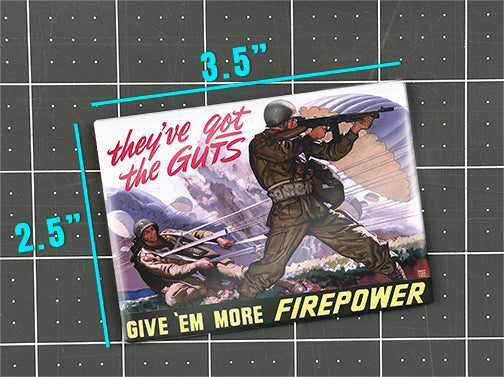





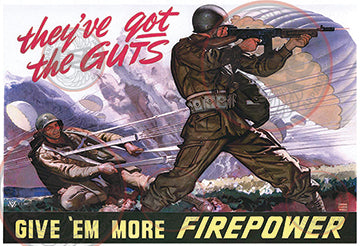



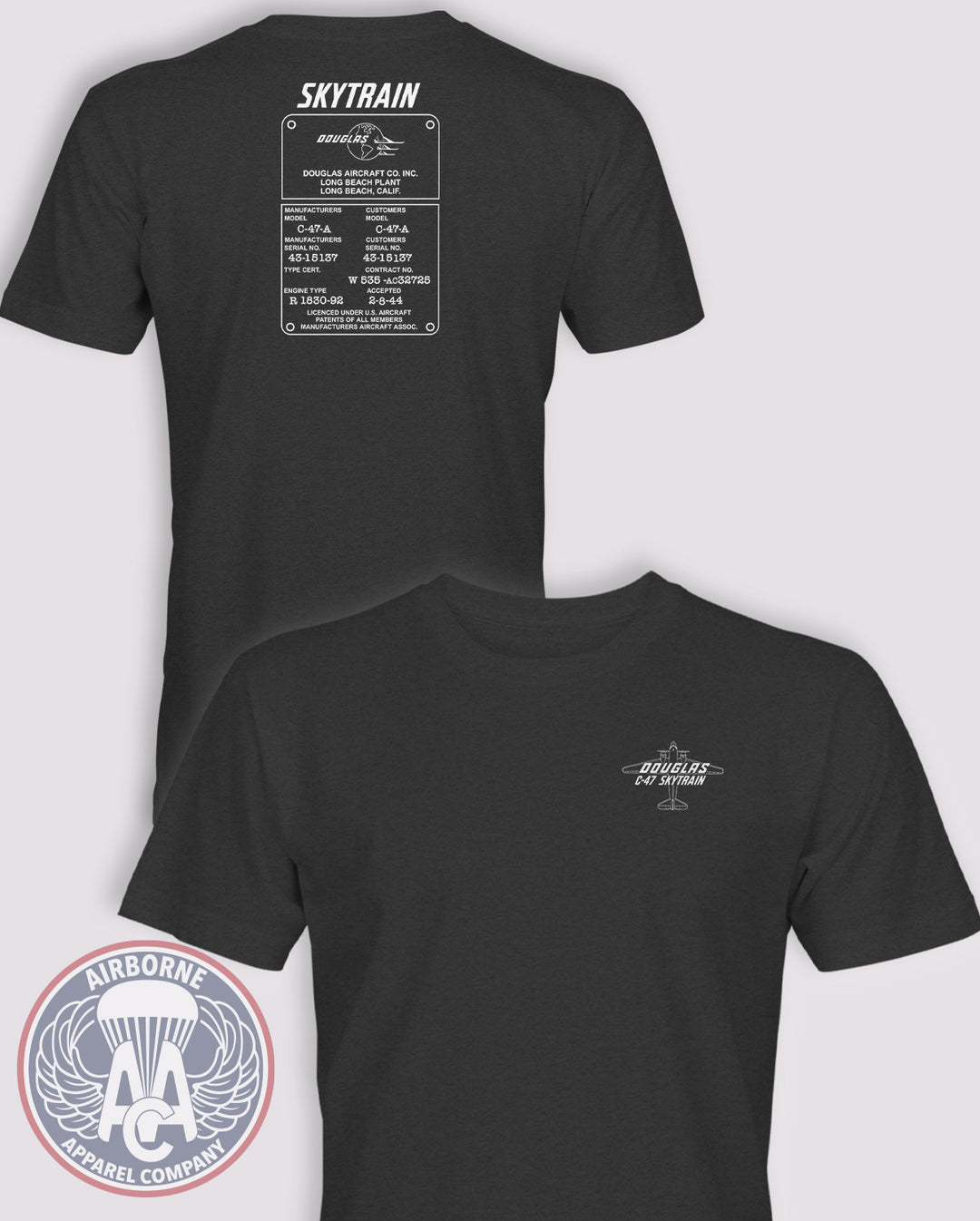
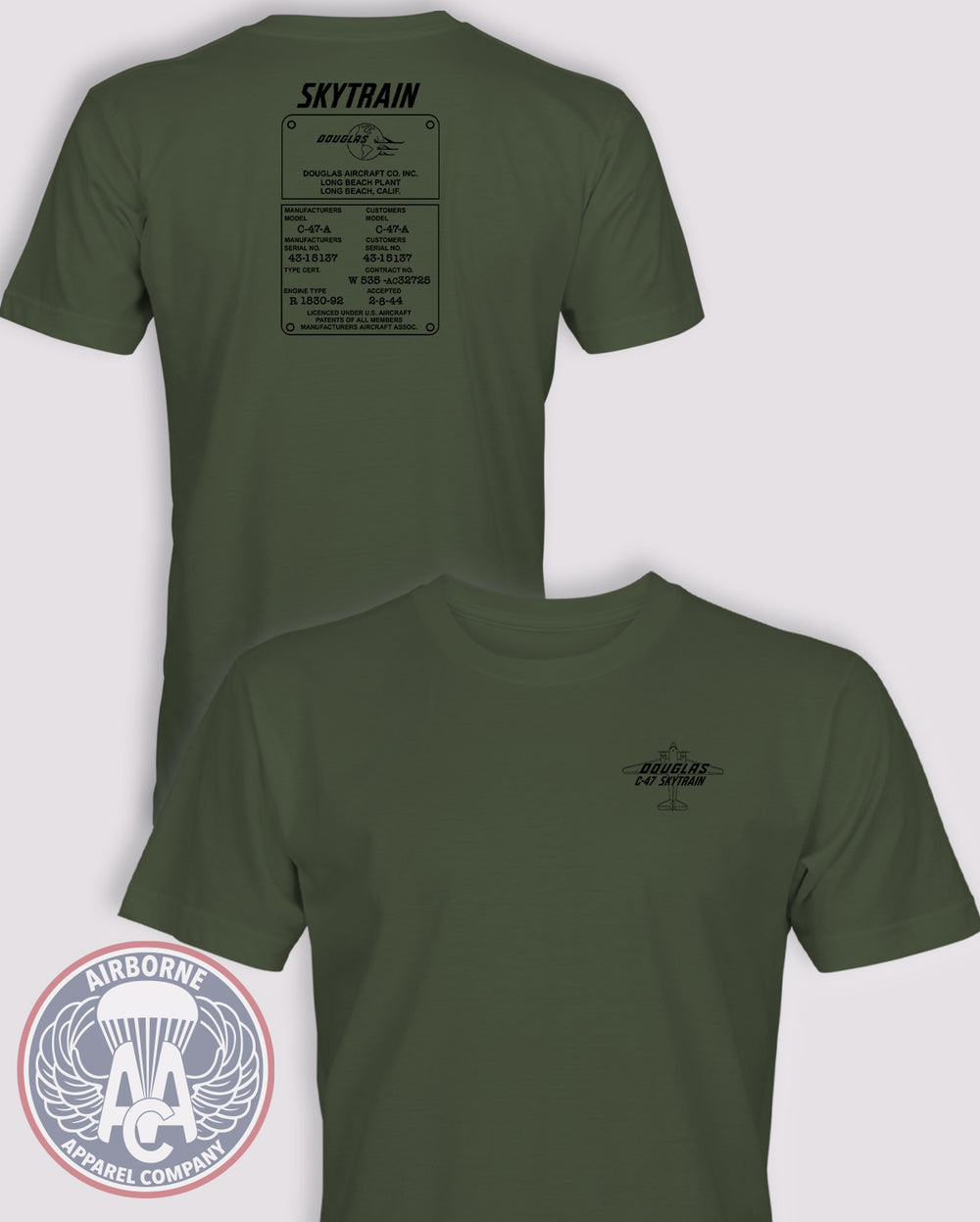


This World War II 1941–1945 collection centers on America's wartime service, with particular attention to Army and airborne heritage. The dates reflect the U.S. period of participation, not the beginning of the wider conflict, which was already underway when the United States entered the war in 1941.
A Global Army
After the attacks of December 1941, the Army expanded for operations across several theaters. American forces fought in North Africa and Italy, landed in France, and advanced into Germany. In the Pacific, campaigns through New Guinea and the Philippines demanded different equipment, methods, and logistical arrangements from those used in Europe.
The Army's campaign records distinguish these theaters and their separate operations. Normandy, the Rhineland, Leyte, and Luzon are not interchangeable labels for World War II service.
Airborne Forces
Parachute and glider units added new ways to place troops beyond an enemy's front line. Airborne operations depended on troop-carrier aircrews, navigation, communications, artillery, engineers, medical personnel, and supply—not simply the infantrymen leaving an aircraft.
In Normandy and the Netherlands, American airborne formations helped seize and hold routes, crossings, and other objectives for advancing ground forces. Their service also included sustained ground fighting. The Battle of the Bulge, for example, should not be described as a combat jump simply because airborne divisions fought there.
Service Behind the Famous Battles
The record also includes training installations, maintenance units, transportation organizations, nurses, and the Women's Army Corps. Their work made deployment and continued operations possible. Unit heritage belongs to those supporting Soldiers as well as to the formations most familiar from battlefield accounts.
Reading the Designs
AAC's reproductions and period-inspired artwork represent particular organizations and experiences. Parachute infantry, glider infantry, and conventional formations had different assignments. A division's campaign history does not mean that every subordinate unit participated in every assault.
Historical Sources
- World War II: European–African–Middle Eastern theater campaigns. U.S. Army Center of Military History. The Mediterranean and European campaign sequence, including Normandy and the Ardennes.
- World War II: Asiatic–Pacific theater campaigns. U.S. Army Center of Military History. The Pacific campaigns, including New Guinea, Leyte, and Luzon.
- World War II: Women in the Army. U.S. Army Center of Military History. The wartime contribution of Army women.
- The Knollwood Maneuver. USASOC History Office, Veritas, 2008. The development and testing of coordinated airborne-division operations.
Airborne Apparel Company is proud to offer reproductions and original designs honoring World War II service and airborne heritage.