
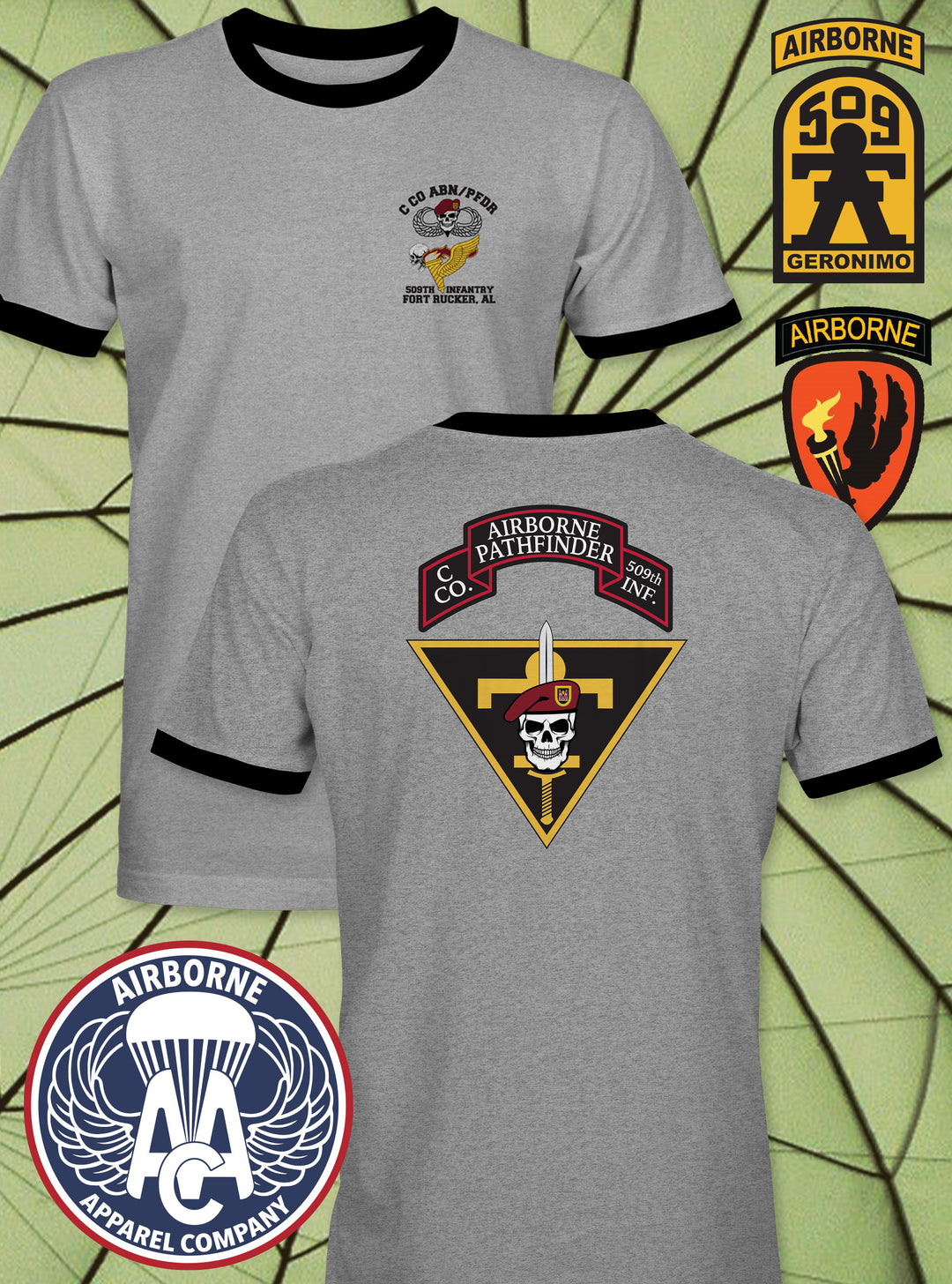
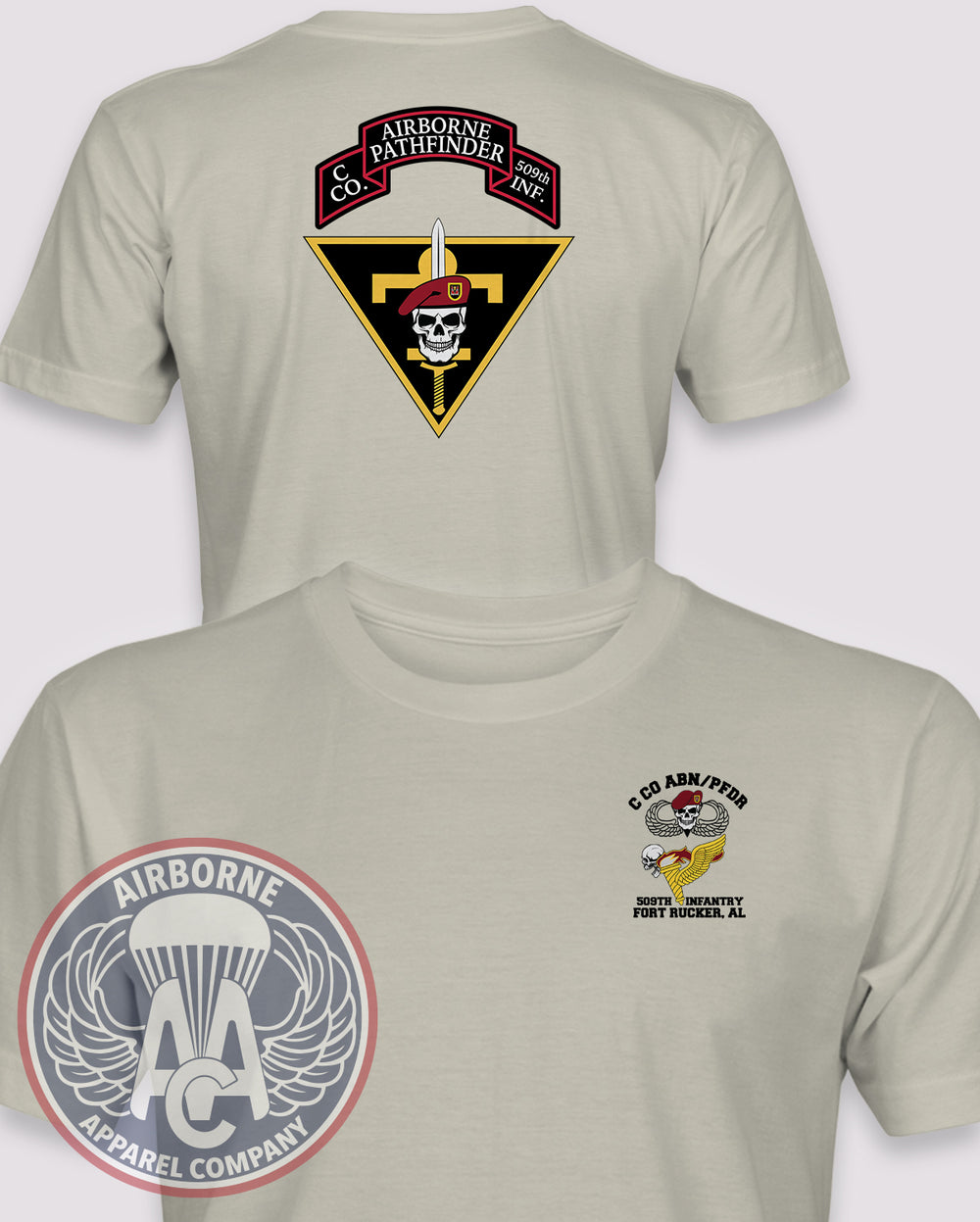


Army Pathfinders help aircraft and ground forces meet at the right place, with the information and control needed for an airborne or air-movement operation. Their history spans World War II parachute assaults and the later expansion of helicopter-borne warfare.
World War II Development
Navigation and assembly problems during the Sicily airborne operations of 1943 helped drive the development of specially trained advance teams. Pathfinders used lights, radio beacons, and other aids to identify and mark intended landing areas for following aircraft.
The Army's historical account identifies early use with the 82nd Airborne Division in Italy. The Pathfinder role developed around assisting the larger force's arrival; it was not another name for every reconnaissance patrol operating ahead of friendly troops.
The Helicopter Era
As helicopter operations expanded, Pathfinder skills also supported landing-zone and pickup-zone operations, air-to-ground coordination, and the movement of loads. The technology and organization changed, but accurate marking and coordination remained central.
Airborne assault, helicopter landing-zone support, and sling-load operations are related but distinct tasks. A unit's airborne designation alone does not make it a Pathfinder organization.
Training and Qualification
Current Army course information lists Pathfinder training at The Sabalauski Air Assault School, Fort Campbell, and at the Army National Guard Warrior Training Battalion, Fort Benning. These are separate school organizations; the Benning course should not automatically be attributed to 1-507 simply because earlier Pathfinder instruction was associated with that schoolhouse.
Course qualification and service in a designated Pathfinder unit are also different records. A Soldier may earn the badge without belonging to one of the historic Pathfinder companies or platoons represented in unit memorabilia.
AAC's collection honors both the skill and the Soldiers who performed that mission, while keeping specific unit histories distinct from the broader Pathfinder tradition.
Historical Sources
- Trailblazers of tomorrow: the evolving legacy of Pathfinder operations. U.S. Army, 2025. The World War II origins and evolution of the Pathfinder mission.
- Pathfinder Course. The Sabalauski Air Assault School, Fort Campbell. The Campbell course and its published training responsibilities.
- Pathfinder Course. Army National Guard Warrior Training Battalion, Fort Benning. The separate Guard-run Benning program.
Airborne Apparel Company is proud to offer designs celebrating Army Pathfinders and their airborne and air-movement heritage.