

82nd Airborne Division

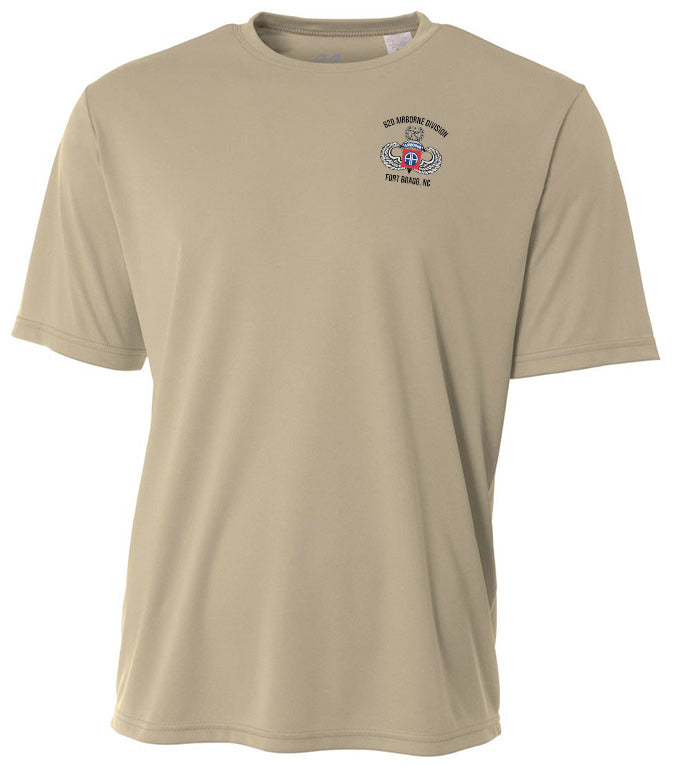

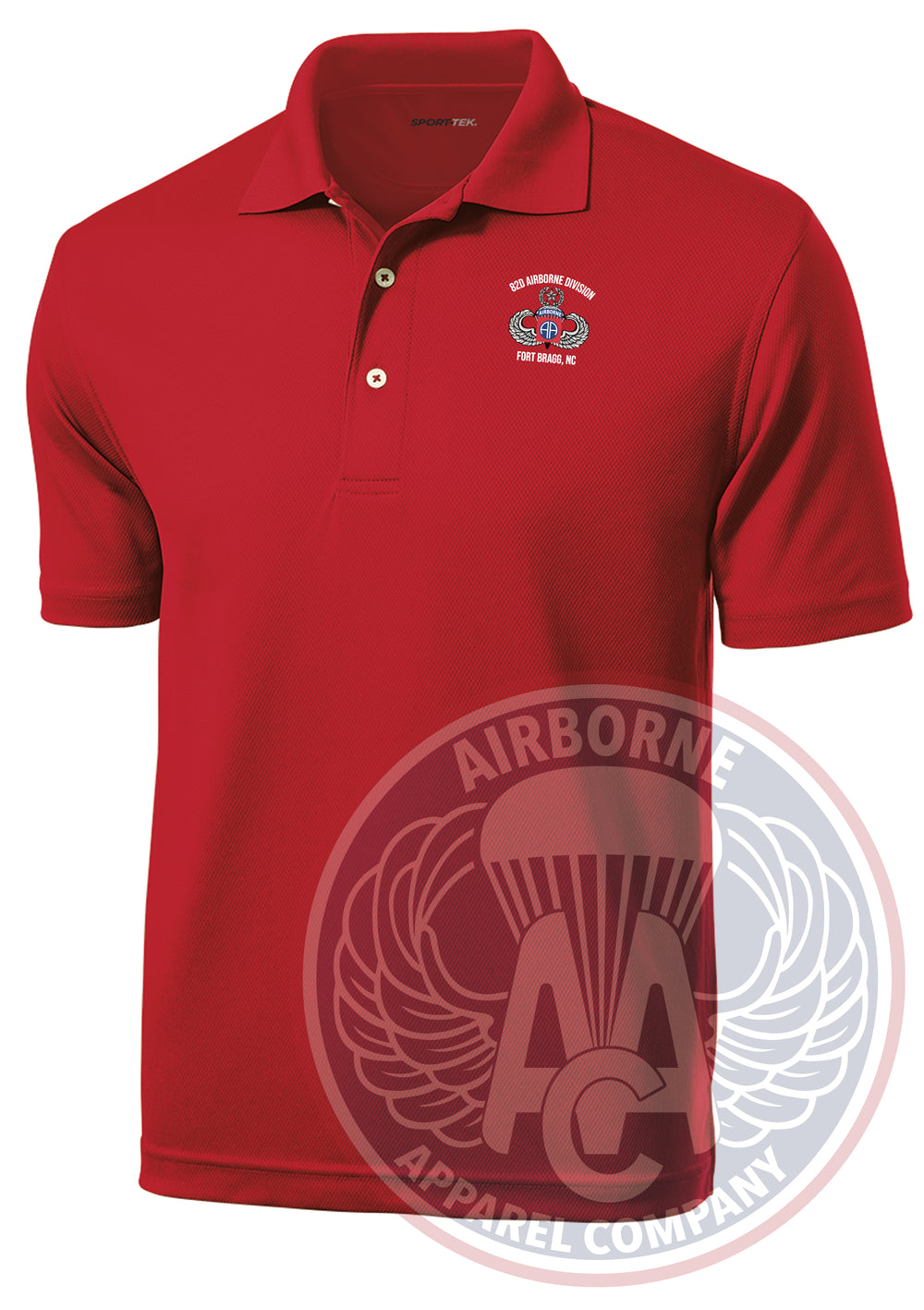




The 82nd Airborne Division, officially designated “All American,” is the U.S. Army’s premier airborne infantry division and one of the most recognizable military formations in the world. From its beginnings as an infantry division in World War I to combat parachute assaults in World War II and Panama, the division has built its identity around rapid deployment, forcible entry, and the ability to fight with little warning. Today, the 82nd remains based at Fort Bragg, North Carolina, as the primary fighting arm of XVIII Airborne Corps.
World War I — Birth of the All American Division
The 82nd Division was constituted in the National Army on 5 August 1917 and organized at Camp Gordon, Georgia, on 25 August. Because its original Soldiers came from all 48 states then in the Union, the division became known as the “All American” Division—the origin of the famous red, white, and blue “AA” shoulder patch.
The division served in France during World War I, fighting in campaigns including St. Mihiel and the Meuse-Argonne Offensive. Among its most famous Soldiers was SGT Alvin C. York, whose actions in the Argonne Forest earned the Medal of Honor.
The division was demobilized in 1919 and later reconstituted in the Organized Reserve before returning to active service during World War II.
Becoming Airborne
The 82nd was recalled to active duty in March 1942. In August of that year, the Army selected the division for conversion to the new airborne mission, redesignating it the 82nd Airborne Division. Under leaders including Major General Matthew B. Ridgway, the All Americans became pioneers of large-scale American airborne warfare.
World War II Combat Jumps
The 82nd entered combat in the Mediterranean in 1943 and went on to participate in some of the most famous airborne operations of World War II.
- Sicily, 1943: The division’s paratroopers made their first combat jumps during Operation Husky, helping prove the American airborne concept in combat.
- Italy, 1943: Elements of the division made additional parachute assaults in support of the Salerno campaign and fought on the Italian mainland.
- Normandy, 6 June 1944: The 82nd parachuted and glider-landed behind Utah Beach, fighting around Sainte-Mère-Église and the Merderet River crossings.
- Operation Market Garden, September 1944: The division jumped into the Netherlands around Groesbeek and Nijmegen and fought to secure the critical Waal River crossings.
- Battle of the Bulge, 1944–45: Rushed into the Ardennes as infantry, the All Americans fought on the northern shoulder of the German offensive in severe winter conditions.
Cold War and Rapid-Deployment Missions
After World War II, the 82nd remained an active airborne division and developed into one of the Army’s principal contingency forces.
In 1965, the division deployed to the Dominican Republic during Operation Power Pack. In 1968, the 82nd’s 3rd Brigade deployed to Vietnam, where its Soldiers fought during the Tet Counteroffensive and subsequent campaigns.
During Operation Urgent Fury in Grenada in 1983, the division deployed rapidly and entered combat after airlanding at Point Salines. The 82nd did not conduct a mass combat parachute assault in Grenada; that distinction belonged primarily to the Rangers who seized the airfield before the division’s arrival.
Operation Just Cause — Panama, 1989
On 20 December 1989, paratroopers of the 82nd Airborne Division conducted a combat parachute assault during Operation Just Cause in Panama. The jump was the division’s first combat parachute assault since World War II and placed All American paratroopers directly into the fight around the Torrijos-Tocumen airfield complex.
The operation also demonstrated the division’s combined-arms capability, including the combat heavy drop of M551 Sheridans from 3rd Battalion, 73rd Armor.
Desert Shield and Desert Storm
Following Iraq’s invasion of Kuwait in August 1990, the 82nd rapidly deployed to Saudi Arabia as one of the first major U.S. ground formations sent to the region. The division helped establish the initial defensive line during Operation Desert Shield and later participated in the coalition ground offensive during Operation Desert Storm, advancing into Iraq on the western flank.
Global War on Terror
After September 11, 2001, the 82nd Airborne Division deployed repeatedly to Afghanistan and Iraq. All American brigades and battalions conducted airborne operations, infantry combat, counterinsurgency, security-force assistance, and crisis-response missions throughout the post-9/11 era.
The division has also continued to serve as a national crisis-response force, deploying on short notice for overseas contingencies and humanitarian missions.
Current Mission
Today, the 82nd Airborne Division remains headquartered at Fort Bragg, North Carolina. The Army defines its mission as being able, within 18 hours of notification, to strategically deploy, conduct a forcible-entry parachute assault, seize key objectives, and enable follow-on military operations.
The division includes three brigade combat teams, combat aviation, artillery, sustainment, and other supporting formations built around the requirement to deploy and fight rapidly anywhere in the world.
Identity and Legacy
- Official Special Designation: “All American”
- Nickname: All Americans
- Insignia: Red square with a blue circle containing the white letters “AA,” worn beneath the Airborne tab
- Home: Fort Bragg, North Carolina
- Core Mission: Joint forcible entry and global airborne response
Enduring Significance
From the trenches of World War I to Sicily, Normandy, Nijmegen, the Ardennes, Panama, the Persian Gulf, Afghanistan, and Iraq, the 82nd Airborne Division has repeatedly been called when the Army needed combat power quickly. Its history links the birth of American airborne warfare to the modern joint forcible-entry mission, making the All American Division one of the central institutions of U.S. Army airborne heritage.
Historical Sources
- Headquarters and Headquarters Battalion, 82d Airborne Division — Lineage and Honors. U.S. Army Center of Military History, March 18, 2011. Records the headquarters' 1917 organization, 1942 airborne conversion, campaigns, and decorations. Subordinate brigades and battalions have separate records.
- 82nd Airborne Division — official mission and organization. U.S. Army, Fort Bragg. Reference for the published rapid-deployment mission, home station, and All American origins.
- Special Designations. U.S. Army Center of Military History. Lists the approved “All American” designation.
- Operation Urgent Fury, Grenada 1983: A View at Eye Level. Peter Geier, Army University Press, April 2024. A participant's retrospective account of arrival by aircraft and intelligence support in Grenada; identified here as personal testimony, not an administrative order.
Headquarters honors, subordinate-unit service, and individual recollections are different kinds of evidence. AAC historical sources and editorial standards.
Airborne Apparel Company is proud to offer reproductions and unique designs that celebrate the legacy of the 82nd Airborne Division.